


Comprehensive Guide to Caring for Siberian Cats
- Derek Morgan

- Feb 24
- 4 min read
Welcoming a Siberian cat into your home is like inviting a bundle of joy wrapped in a thick, luxurious coat. These cats are not only beautiful but also known for their affectionate and playful nature. If you are considering adding one of these hypoallergenic companions to your family, understanding their unique needs is essential. This guide will walk you through everything you need to know about caring for Siberian cats, ensuring they thrive in your loving home.
Caring for Siberian Cats: Essential Tips for a Happy Pet
Siberian cats are a special breed with specific care requirements that help maintain their health and happiness. Their dense triple coat, which protects them from harsh climates, needs regular attention. Brushing your Siberian cat at least twice a week helps prevent matting and reduces shedding. During seasonal changes, daily grooming might be necessary to manage their thick fur.
Nutrition plays a vital role in their well-being. A balanced diet rich in protein supports their muscular build and energy levels. I recommend high-quality cat food formulated for active breeds. Fresh water should always be available, and occasional treats can be given in moderation.
Exercise and mental stimulation are equally important. Siberians are playful and intelligent, so providing toys, climbing trees, and interactive playtime will keep them engaged and prevent boredom. Creating a safe outdoor enclosure or supervised outdoor time can also enrich their environment.

Understanding Your Siberian Cat’s Health Needs
Keeping your Siberian cat healthy involves regular veterinary check-ups and preventive care. Vaccinations, parasite control, and dental hygiene are crucial components. Siberians are generally robust, but like all cats, they can be prone to certain genetic conditions such as hypertrophic cardiomyopathy (HCM). Early detection through routine heart screenings can make a significant difference.
Pay attention to their weight and activity levels. Obesity can lead to health problems, so maintaining a healthy weight through diet and exercise is key. Also, monitor their eyes, ears, and skin for any signs of infection or irritation.
Regular grooming sessions are a great opportunity to check for lumps, bumps, or unusual behavior. If you notice anything concerning, consult your vet promptly.
Do Siberian Cats Like to Be Held?
One of the most common questions about Siberian cats is whether they enjoy being held. From my experience and many owners’ stories, Siberians are affectionate and often enjoy close contact with their humans. However, like all cats, their preferences vary.
Many Siberians appreciate gentle holding and cuddling, especially when they trust you. They tend to be social and enjoy being near their family members, often following them around the house. When holding your Siberian, support their body fully and watch their body language. If they seem relaxed and purring, they are likely comfortable. If they try to wriggle free or show signs of stress, it’s best to let them down and try again later.
Building this trust takes time and patience, but the reward is a loving and loyal companion who enjoys your company.
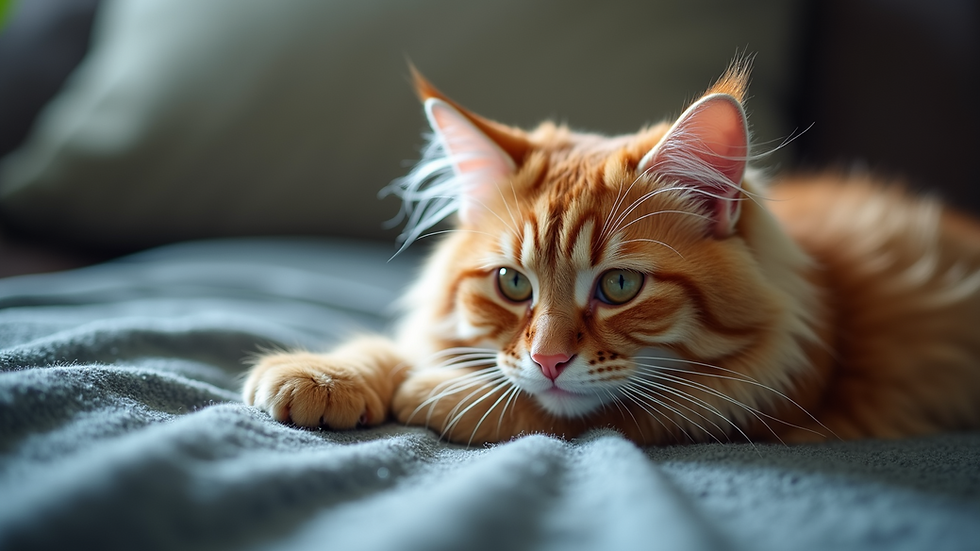
Creating a Safe and Stimulating Environment
Siberian cats thrive in environments that cater to their natural curiosity and playful spirit. Providing vertical spaces like cat trees and shelves allows them to climb and observe their surroundings. This satisfies their hunting instincts and keeps them physically active.
Interactive toys such as feather wands, laser pointers, and puzzle feeders stimulate their minds and prevent boredom. Rotate toys regularly to keep their interest alive.
Safety is paramount. Ensure windows have secure screens, and hazardous plants or chemicals are out of reach. If you allow outdoor access, consider a catio or supervised time to protect them from dangers like traffic or predators.
A cozy bed or quiet nook gives your Siberian a place to retreat and rest. These cats appreciate a balance of activity and downtime.
Grooming and Seasonal Care for Your Siberian Cat
The Siberian’s thick coat is one of their most striking features but also requires dedicated care. During winter, their fur thickens to protect against cold, while in warmer months, they shed more heavily.
Regular brushing helps remove loose hair and prevents mats, which can be uncomfortable and lead to skin issues. Use a wide-toothed comb or a slicker brush designed for long-haired cats. Pay special attention to areas behind the ears, under the legs, and around the neck.
Bathing is not often necessary but can be done occasionally if your cat gets particularly dirty. Use a gentle cat shampoo and ensure thorough rinsing.
Seasonal changes also mean adjusting your cat’s environment. In summer, provide cool resting spots and plenty of fresh water. In winter, ensure they have warm, draft-free areas to relax.
The Joy of Bringing a Siberian Cat Home
Bringing a Siberian cat into your life is a wonderful experience filled with affection, playfulness, and companionship. Their hypoallergenic qualities make them an excellent choice for families or individuals sensitive to cat allergens. By following these care guidelines, you can ensure your Siberian cat remains healthy, happy, and a cherished member of your family.
If you are interested in learning more about siberian cat care, Eagle Mountain Siberians offers expert advice and high-quality, TICA registered Siberian cats. Their commitment to breeding healthy, well-socialized cats makes them a trusted source for anyone seeking a loving Siberian companion.
With patience, love, and proper care, your Siberian cat will bring warmth and joy to your home for many years to come.


Comments